
Airbnb Management Sharjah: Complete 2026 Owner’s Guide
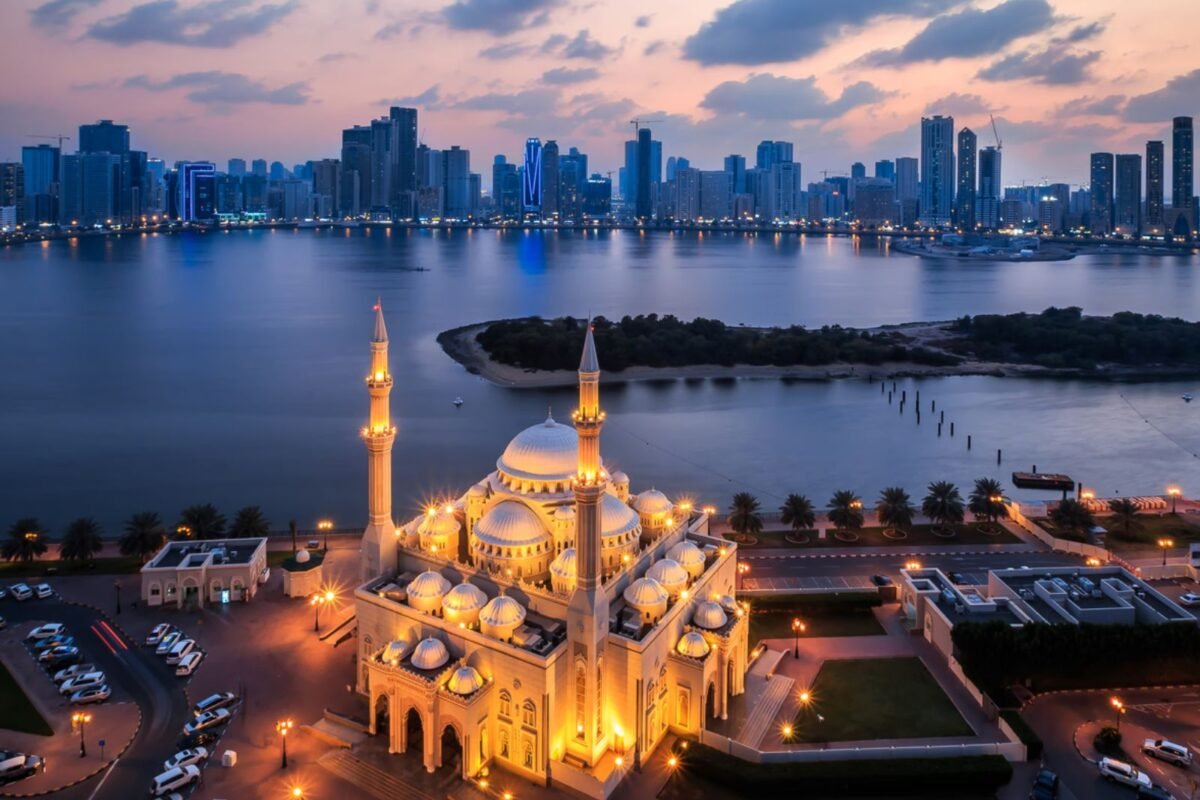
Airbnb Management Sharjah: The Complete Property Owner’s Guide (2026) Introduction Airbnb management Sharjah is the least understood — and most structurally distinct — short-term rental market in the UAE. With 429 to 1,700 active listings depending on the data source, a market that grew 897.7% year-on-year, and a regulatory framework that prohibits individual owners from listing directly, Sharjah’s Airbnb property management landscape in 2026 operates on fundamentally different rules than Dubai or Abu Dhabi. This guide explains how Airbnb property management works in Sharjah — covering SCTDA licensing, fees, verified income data, and how to evaluate operators. It is part of our broader Airbnb management UAE guide which covers the full short-term rental landscape across Dubai, Abu Dhabi, and Sharjah for owners comparing all three emirates before committing to a market. What Is Airbnb Management Sharjah — and How Does It Work? Airbnb management Sharjah refers to the full operational outsourcing of a short-term rental property to a professional licensed company. The management company handles every stage of the rental cycle on the owner’s behalf — from SCTDA company registration and property licensing, to listing creation, dynamic pricing, guest communication, cleaning coordination, and monthly income reporting. What makes Airbnb property management fundamentally different in Sharjah is the regulatory structure itself. Unlike Dubai’s DET framework or Abu Dhabi’s DCT system — both of which allow individual property owners to register and list directly — Sharjah’s Holiday Homes Project, launched by the Sharjah Commerce and Tourism Development Authority (SCTDA) in 2022, requires every short-term rental to be registered and operated through a licensed company. This single regulatory difference makes professional Airbnb management not just beneficial in Sharjah, but structurally mandatory for the vast majority of property owners. Understanding this distinction is essential before evaluating any operator or comparing Sharjah to Dubai and Abu Dhabi. Why Sharjah Is a Distinct UAE Short-Term Rental Market Sharjah’s short-term rental market is the youngest and least saturated of the three UAE emirates. With an average daily rate of $96 and 35.3% occupancy (AirROI, 2026), Sharjah sits below both Dubai and Abu Dhabi on raw pricing power — but the market’s 897.7% year-on-year listing growth, alongside rising revenue and nightly rates, signals that guest demand is currently outpacing new supply rather than being diluted by it. Sharjah attracts a distinct guest profile from Dubai and Abu Dhabi: budget-conscious tourists using Sharjah as an affordable base for Dubai day trips, business travellers visiting Sharjah’s industrial zones and free trade areas, and families drawn to lower costs and a more culturally traditional environment. International visitors make up 77% of Sharjah’s Airbnb guests, with a notably young demographic — 50% are Gen Z or Gen Alpha travellers. December is consistently the strongest revenue month in Sharjah, while April and July are the softest — a seasonality pattern broadly similar to Dubai and Abu Dhabi, though with a less dramatic peak-to-trough swing given Sharjah’s more consistent, less leisure-tourism-dependent guest base. What Does a Sharjah Airbnb Property Manager Actually Do? A professional Airbnb property manager in Sharjah carries a structurally larger role than in Dubai or Abu Dhabi — because the management company is not optional infrastructure, it is the legal entity through which the property is permitted to operate at all. An Airbnb management company in Sharjah must hold a valid SCTDA company registration and Holiday Home licence before any property under its management can be listed. What Full-Service Airbnb Property Management Services Cover in Sharjah: • SCTDA company registration and Holiday Home licence application (mandatory — owner cannot do this individually) • Property classification and quality standards compliance, including SCTDA inspection coordination • Professional photography, interior staging guidance and listing creation • Airbnb property management services across multiple booking channels simultaneously • Dynamic pricing: algorithmic daily rate management based on demand, season and competitor data • Guest communication, vetting, check-in coordination and dispute resolution • Cleaning, laundry and linen management between every stay • Maintenance coordination, inspections and emergency response • Monthly owner reporting: gross revenue, itemised fees, net payout and occupancy data • Ongoing SCTDA compliance monitoring — field visits, inspection campaigns and regulatory updates The SCTDA conducts field visits, inspection campaigns, and follow-ups to ensure holiday homes, operators, and owners comply with established regulations. A management company’s relationship with SCTDA — and its track record of passing inspections — is therefore a genuine operational asset, not just an administrative formality. How to Get an SCTDA Licence to List Your Property on Airbnb in Sharjah Before any property in Sharjah can be listed on Airbnb — or any short-term rental platform — it must be registered under the SCTDA’s Holiday Homes Project. This is the single most important fact for any Sharjah property owner to understand: unlike Dubai and Abu Dhabi, individuals are not permitted to rent out their properties directly as short-term rentals in Sharjah. Key SCTDA Licensing Rules (2026) Property owners must register as a company to legally operate a holiday home business — individual direct listing is not permitted under any circumstance. The property must meet SCTDA’s classification criteria and quality standards before listing approval. The Holiday Homes Project launched in 2022 with a first phase targeting registration of 150 holiday homes — the framework is still maturing and additional requirements may be introduced as the market grows. Properties and operators are subject to ongoing SCTDA field visits and inspection campaigns, not just a one-time approval. Owners are typically granted a defined documentation period to complete registration under the unified SCTDA database. Step-by-Step: How Property Owners Engage With the SCTDA Process Step 1: Verify your property is eligible: confirm with your building management that short-term rental is permitted for your specific unit. Step 2: Establish or partner with a licensed operator company: since individual registration is not permitted, you must either register a company yourself or, more commonly, partner with an existing SCTDA-licensed Airbnb management company. Step 3: Submit documentation: the SCTDA requires an application with supporting documents and adherence to the classification criteria for
Airbnb Management Abu Dhabi: Complete 2026 Owner’s Guide
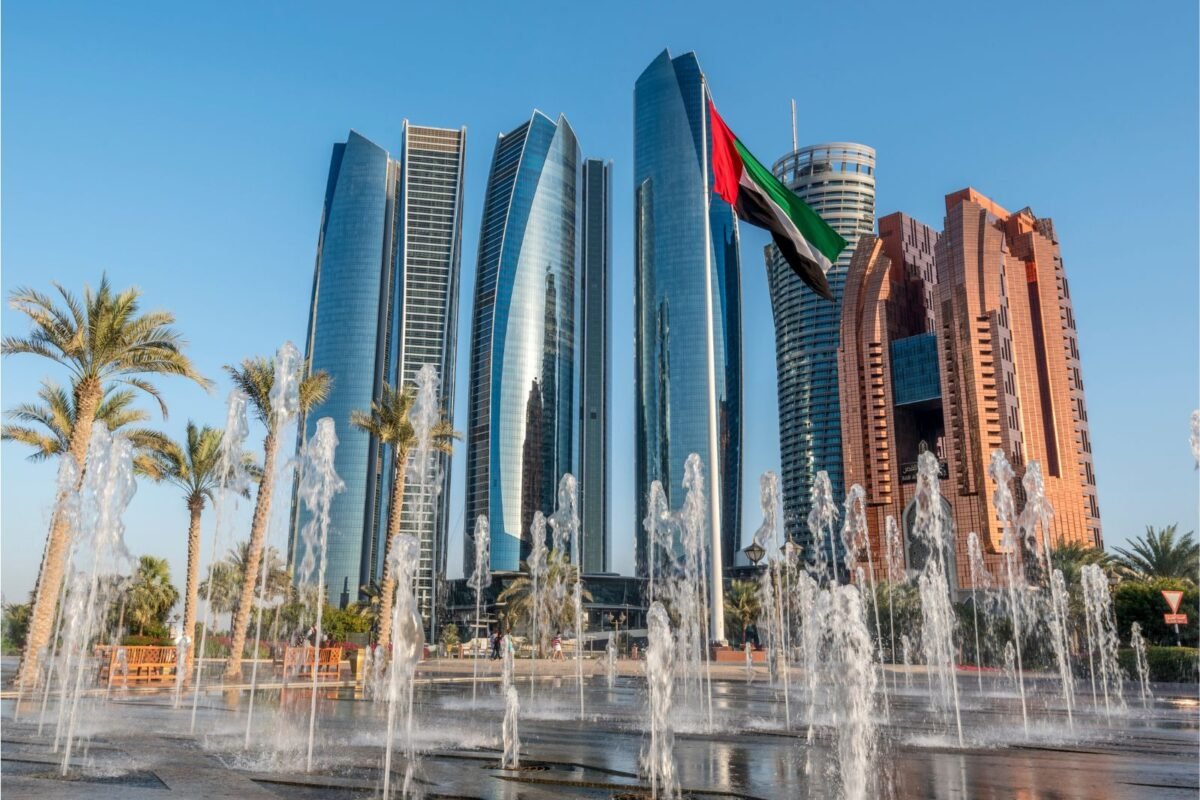
Airbnb Management Abu Dhabi: The Complete Property Owner’s Guide (2026) Introduction Airbnb management Abu Dhabi is one of the fastest-growing segments of the UAE’s short-term rental market — and one of the least understood. With over 4,300 active short-term rental listings, a market that grew 85.3% year-on-year, and a city welcoming a record number of tourists to world-class events, cultural institutions, and business conferences, Abu Dhabi’s Airbnb property management landscape in 2026 is both an opportunity and a compliance challenge. This guide explains how Airbnb property management works in Abu Dhabi — covering DCT licensing, fees, verified income data, and how to evaluate operators. It is part of our broader Airbnb management UAE guide which covers the full short-term rental landscape across Dubai, Abu Dhabi, and Sharjah for owners comparing all three emirates before committing to a market. What Is Airbnb Management Abu Dhabi — and How Does It Work? Airbnb management Abu Dhabi refers to the full operational outsourcing of a short-term rental property to a professional licensed company. The management company handles every stage of the rental cycle on the owner’s behalf — from obtaining the legally required DCT holiday home licence, to listing the property across booking platforms, managing guests, coordinating cleaning, and producing monthly income reports. Unlike Dubai, where the STR market has been active for over a decade, Abu Dhabi’s short-term rental market is younger and less saturated. This creates a structural opportunity: well-managed Airbnb properties in Abu Dhabi face less competition from comparable listings than equivalent properties in Dubai — which means the quality of airbnb property management is an even more decisive variable in this market. Understanding what management covers and what it costs is the starting point. The sections below break down every layer of Airbnb property management Abu Dhabi operation in detail. What Is Airbnb — and Why Abu Dhabi Is an Emerging STR Market Airbnb is the world’s largest short-term rental marketplace, connecting property owners with guests seeking flexible accommodation for stays ranging from one night to several months. Hosts list their Airbnb property, set nightly prices, and guests book directly — with Airbnb handling payments and reviews in exchange for a platform service fee. Airbnb in Abu Dhabi operates in a structurally different market from Dubai. Where Dubai is dominated by leisure tourists and short-stay visitors, Abu Dhabi attracts a higher proportion of business travellers, government delegates, and corporate relocators — driven by Abu Dhabi’s status as the political capital, its concentration of government ministries, and the corporate activity around ADNOC and the broader energy sector. This means Abu Dhabi’s STR demand is more consistent year-round, with sharp event-driven peaks. Peak revenue months in Abu Dhabi are January and November (F1 season), with occupancy exceeding 70% in prime locations during peak periods. June is the lowest earning month, with rates and occupancy dropping significantly. Understanding this seasonality is central to any property management strategy for Abu Dhabi. What Does an Abu Dhabi Airbnb Property Manager Actually Do? A professional Airbnb property manager in Abu Dhabi operates across every stage of the rental cycle from regulatory compliance through to guest checkout. An Airbnb management company in Abu Dhabi must hold a valid DCT operator licence, and the management team structure mirrors what you would expect from an established hospitality operation. What Full-Service Airbnb Property Management Services Cover in Abu Dhabi: • DCT holiday home licence application, annual renewal and monthly reporting compliance • Professional photography, interior staging guidance and listing creation • Airbnb property management services across 20–50+ booking channels simultaneously • Dynamic pricing: algorithmic daily rate management across demand, events and season • 24/7 guest communication, vetting, check-in coordination and dispute resolution • Hotel-grade cleaning, laundry and linen management between every stay • Preventive maintenance coordination, inspections and emergency response • Monthly owner reporting: gross revenue, itemised fees, net payout and occupancy data • Tourism fee (6% of revenue) collection from guests and monthly remittance to DCT • Owner portal access: live booking calendar, performance data and personal use blocks The 6% Abu Dhabi tourism fee is a mandatory collection that any full-service Airbnb management company must handle on the owner’s behalf. Unlike Dubai’s per-room, per-night Tourism Dirham, Abu Dhabi’s fee is percentage-based — calculated on total rental revenue and remitted to DCT monthly by the 15th. Confirm explicitly that any operator you evaluate handles this collection and remittance as part of their standard service. How to List Your Property on Airbnb in Dubai — DTCM Licensing Guide Before any property in Abu Dhabi can be listed on Airbnb — or on any booking platform — it must hold a valid holiday home licence issued by the Department of Culture and Tourism (DCT Abu Dhabi). This requirement has been in full enforcement since 1 January 2026 under DCT Circular No. 8/2025. Properties listed without a valid licence number are removed from platforms within 30 days of DCT notification. Key DCT Licensing Rules (2026) Only entire properties can be licensed — partial home rentals and shared rooms are not permitted under the Abu Dhabi holiday home category. Tenants cannot list a property short-term without the owner’s written consent. Properties with demolition permits cannot be used for short-term rentals. Each property requires a separate licence application — owners can hold multiple licences. Licence is valid for one year and must be renewed annually — at least 30 days before expiry. Step-by-Step: DCT Holiday Home Licence Application Step 1: Verify your property is eligible: check with your building management or developer that short-term rental is permitted in your specific unit and community. Step 2: Gather your documents: owner’s passport (2 copies) or Emirates ID, Tawtheeq document (property boundary and ownership record), valid property insurance certificate. If an operator manages the property, also provide: operator’s commercial licence, authorised manager’s passport copy, Power of Attorney document. Step 3: Register your property on DCT’s online system. The platform was launched in partnership with Airbnb in 2022 and is the official registration gateway. Step 4:
Airbnb Management Dubai: Complete 2026 Owner’s Guide Updated

Airbnb Management Dubai: The Complete Property Owner’s Guide (2026) Introduction Airbnb management Dubai is the professional operation of your short-term rental property and in 2026, it is the single most important decision a Dubai property owner will make. Dubai closed 2025 with a record 19.59 million international visitors, up 5% year-on-year, and that momentum has carried into 2026, with 5.3 million visitors in Q1 alone a 3% increase on the same period last year. Against 29,092 active Airbnb listings and an average daily rate of AED 814, the market is as large as it is competitive. The difference between a property earning AED 76,000 and one earning AED 200,000 per year from the same neighbourhood is rarely location — it is the quality of Airbnb property management Dubai behind it. This guide is part of our broader Airbnb Management UAE guide, which covers the full short-term rental landscape across Dubai, Abu Dhabi, and Sharjah for owners comparing emirates before committing to a market. What Is Airbnb Management Dubai – and Is It Worth It? Airbnb management Dubai refers to the full operational outsourcing of a short-term rental property to a professional company. It solves the fundamental tension every investment property owner faces: the property generates more revenue as a short-term rental than as a long-term let — but operating it as one requires time, expertise, and on-the-ground presence most owners, particularly overseas investors, simply don’t have. Professional Airbnb property management in Dubai typically delivers 15–20% higher occupancy than self-management, because management companies use algorithmic dynamic pricing, multi-platform distribution across 20–50+ channels, and established review scores — all structurally difficult for individual hosts to replicate. For most owners particularly those who aren’t locally based — the occupancy uplift alone typically outweighs the commission cost. The fee only erodes value when the management company fails to deliver that uplift, which is why choosing the right operator is the most consequential decision in this process. What Is Airbnb — and Why Dubai Is One of Its Top Global Markets Airbnb is the world’s largest short-term rental marketplace, connecting property owners with guests seeking flexible accommodation for stays ranging from one night to several months. Hosts list their property, set nightly prices, and guests book directly — Airbnb handles payments and reviews in exchange for a service fee. Dubai sits in Airbnb’s top tier of global markets. With year-round tourism, a world-class events calendar, and a growing segment of digital nomads and corporate travellers choosing Airbnb apartments in Dubai over hotel rooms, the city’s short-term rental market has grown 255% in active listings over the past year — yet nightly rates and revenue continued rising, a signal that demand is outpacing supply growth. What Does a Dubai Airbnb Property Manager Actually Do? An Airbnb property manager is the person (or team) responsible for keeping a short-term rental running on the owner’s behalf, day in and day out. Stripped down to the actual job, their core responsibilities are: Keeps the DTCM/DET holiday home permit valid — handles the annual renewal and inspection scheduling before it lapses. Sets and continuously adjusts the nightly rate based on demand, season, and what competing listings are charging. Handles every guest touchpoint — answering inquiries, coordinating check-in, and resolving problems that come up mid-stay. Schedules and oversees cleaning and turnover between every guest, so the property is guest-ready on time. Coordinates repairs and maintenance, from routine upkeep to emergency call-outs. Tracks performance and reports it back to the owner — occupancy, revenue, and net payout on a regular cadence. Keeps the listing live and competitive across whichever platforms it’s distributed on. Most Dubai operators split these responsibilities across a small team rather than one person: a dedicated owner account manager, a separate guest experience team, and a field operations team for cleaning and maintenance — which is why established companies maintain high review scores across large portfolios without service quality declining as they scale. What Does an airbnb property management services Include? Beyond the core role above, most full-service management companies bundle in several layers most owners would otherwise have to arrange separately: professional photography, interior design and staging, listing creation and marketing across 20–50+ booking channels, and full financial reporting with owner portal access. → See exactly what’s included in our own package: Silk Valley Airbnb Management Services Do You Need a License to List on Airbnb in Dubai? Yes — before any property can be listed on Airbnb, Booking.com, or any short-term rental platform in Dubai, it must hold a valid holiday home permit issued by the Dubai Department of Economy and Tourism (DET) via the Trakheesi system. Operating without one risks fines of AED 5,000–100,000 and listing removal from all platforms. In short: verify your building allows short-term rentals (some communities like Arabian Ranches and Dubai Hills now require 3+ night minimums under RERA rules), gather your documents, register on DET’s Trakheesi portal, apply for your per-unit permit, pass a property inspection, and add your permit number to your listing. Most management companies handle this entire process on the owner’s behalf. → DTCM Holiday Home Permit Guide for Dubai Property Owners: Full step-by-step process, document checklist, per-bedroom fee breakdown, and building restriction database. Airbnb Property Management Fees in Dubai Airbnb property management fees in Dubai are the first number every owner asks about — and the most misunderstood, because the headline commission percentage is rarely the full cost. Commission structures generally range from 15–20% for standard full-service management, up to 30% for luxury or concierge-level service. Beyond commission, owners should budget for onboarding, cleaning per turnover, and Airbnb’s flat 15.5% host service fee (introduced December 2025, replacing the old split-fee model where guests paid separately). The most important figure isn’t the commission percentage — it’s net owner revenue after every deduction. → Full breakdown of all 11 leading Dubai operators, itemised cost structures, hidden fees, and how to negotiate: Airbnb Management Fees in Dubai Dubai Airbnb Rental Income: What to Expect by Area Income varies
Airbnb Management UAE: Complete 2026 Owner’s Guide (Updated)

Airbnb Management UAE: The Complete Guide for Dubai, Abu Dhabi & Sharjah (2026) Introduction Airbnb management UAE spans three distinct emirates, over 22,700 active listings, and a market that welcomed 19.59 million international visitors in 2025 — a third consecutive year of record-breaking tourism growth, up 5% year on year. Average hotel occupancy across Dubai alone hit 80.7%, with average daily rates climbing 8% to AED 579 — and short-term rental demand is rising in lockstep. From the gleaming waterfront apartments of Dubai Marina to the corniche-facing units of Abu Dhabi, and the fast-growing neighbourhoods of Sharjah, property owners across the UAE are sitting on serious income potential. Whether you own in Dubai, Abu Dhabi, or Sharjah, this guide connects directly to each city’s full management playbook — start with our Airbnb Management Dubai guide or the Airbnb Management Abu Dhabi guide for city-specific fees, licensing, and company comparisons. But unlocking that potential requires more than simply listing your property on Airbnb. It requires understanding the distinct regulatory landscape of each emirate, knowing what professional airbnb property management actually costs and delivers, and being strategic about which market fits your investment goals. This is the hub guide for the UAE’s short-term rental ecosystem — the macro picture of how airbnb management UAE works across the country, which airbnb management companies operate here, what airbnb property management fees look like in 2026, and how to navigate from a single airbnb rental property to a scalable portfolio. What Is Airbnb Property Management — and Why Does It Matter in the UAE? Airbnb property management is the professional outsourcing of your short-term rental operation. A qualified airbnb management company takes over every aspect of the rental cycle — from listing creation and guest communication to pricing strategy, cleaning, compliance, and maintenance — so you collect the income without the operational burden. In the UAE specifically, airbnb property management carries a dimension that most global markets don’t have: a distinct, emirate-level regulatory framework. Dubai, Abu Dhabi, and Sharjah each operate under separate tourism authorities with separate permit requirements. The right airbnb management service handles all three — but only if they hold the correct licences for each emirate. This is the foundational reason why professional airbnb management in the UAE is not optional for serious investors. It is the mechanism through which compliance, occupancy optimisation, and income maximisation happen simultaneously. What Full-Service Airbnb Listing Management Covers Across the UAE: • DTCM / DCT / SCTDA permit applications and annual renewals per emirates • Professional photography, interior staging guidance and listing creation • Airbnb listing management across 20–50+ booking channels simultaneously • Dynamic pricing: algorithmic daily rate management based on 30+ market variables • 24/7 guest communication, vetting, check-in coordination and dispute resolution • Hotel-grade cleaning, laundry and linen management between every stay • Preventive maintenance coordination, inspections and emergency response • Monthly owner reporting: gross revenue, itemised fees, net payout and occupancy data Airbnb Management UAE: The Market Across All Three Emirates Airbnb management UAE is not a single market — it is three structurally distinct markets operating under different regulatory authorities, with different guest profiles, yield curves, and competitive dynamics. Understanding the distinction is the starting point for every strategic decision you will make as a property owner. 1. Dubai: The High-Volume, High-Competition Flagship Dubai is the most mature short-term rental market in the UAE, regulated by the Department of Economy and Tourism (DET). With 22,719 active Airbnb listings and a median annual revenue of AED 172,000 per listing, Dubai represents the largest and most data-rich segment of the UAE’s airbnb management landscape. Top-performing properties in prime areas achieve average daily rates of AED 867+ (Dubai Marina) with occupancy averaging 70–80% for well-managed listings. → Full guide: Airbnb Management Dubai · Fees, DTCM licensing, company comparisons, income by neighbourhood 2. Abu Dhabi: The Institutional, Undersaturated Opportunity Abu Dhabi’s short-term rental market operates under DCT Abu Dhabi. Following DCT Circular No. 8/2025, all holiday homes require a valid DCT licence before listing on any platform — enforced from 1 January 2026. The market is less saturated than Dubai, with strong event-driven demand (Formula 1, ADIPEC, government summits) and consistent corporate bookings from government-linked entities and the oil sector. Abu Dhabi imposes a 6% tourism fee on all short-term rental revenue, distinct from Dubai’s per-room, per-night Tourism Dirham structure. Any airbnb property management company operating in Abu Dhabi must be set up to collect and remit this fee on your behalf. → Full guide: Airbnb Management Abu Dhabi · DCT licensing, Abu Dhabi STR rules, Yas Island vs Corniche ROI 3. Sharjah: The Emerging, Price-Sensitive Third Market Sharjah’s short-term rental market operates under the Sharjah Commerce and Tourism Development Authority (SCTDA), which launched its Holiday Homes Project in 2022. The Sharjah market has one critical structural difference from Dubai and Abu Dhabi: individual property owners cannot list directly as short-term rentals. All properties must be registered through a licensed company or operator. Sharjah attracts families and longer-stay guests seeking more space per dirham than Dubai offers. Nightly rates are lower, but entry prices for properties are significantly below Dubai levels, and competition among STR operators is thin. The Tourism Dirham in Sharjah is AED 15 per room per night, collected from guests and remitted to SCTDA monthly. → Airbnb in Sharjah: Regulations, Opportunities & Management · SCTDA licensing, Sharjah STR market analysis, management options UAE Airbnb Regulations: How Each Emirate’s Rules Differ The most important thing to understand about airbnb management UAE is that each emirate has its own independent licensing framework. A permit issued in Dubai is not valid in Abu Dhabi, and vice versa. Any airbnb management service operating across multiple emirates must hold the correct licence in each one separately. Factor Dubai Abu Dhabi Sharjah Regulator DET (Dept. of Economy & Tourism) DCT Abu Dhabi SCTDA Permit Type Holiday Home Permit (per unit) Holiday Home Licence (per unit) Holiday Home Licence (via operator) Can individuals list direct? Yes — up to 8 units Yes
Holiday Home Management Dubai | Ultimate Owner’s Guide 2026

Ultimate Guide to Holiday Home Management in Dubai Dubai is one of the world’s most profitable short term rental markets, driven by year-round tourism, global business traffic, and a tax-free property income environment. From Palm Jumeirah and Downtown to Dubai Marina and JVC, short term rentals often outperform traditional leasing. However, consistent returns require more than listing a property online. Success depends on compliance, pricing strategy, and operational excellence. For owners using platforms like Airbnb, partnering with a professional Airbnb management company in Dubai can significantly enhance visibility and revenue performance. This is where strategic holiday home management in Dubai becomes essential. In this guide, we cover everything from licensing requirements to ROI expectations and performance optimization. What is Holiday Home Management? Holiday home management refers to the professional administration of short term rental properties, typically for vacation or business travelers. Management covers everything from marketing and guest communications to housekeeping, maintenance, pricing, and regulatory compliance. Unlike traditional property management focused on long-term tenants, holiday home management is guest-centric, combining elements of hotel management with property ownership. The goal is to maximize occupancy, optimize revenue, and deliver an exceptional guest experience, all while reducing the stress and operational burden on the owner. Why Holiday Home Management is Important in Dubai Dubai’s short term rental market is unique due to: High guest expectations – Visitors expect luxury, cleanliness, and service levels equivalent to five-star hotels Regulatory Precision Under DET (Formerly DTCM) – All holiday homes must be registered with Dubai’s Department of Economy and Tourism (DET), previously known as DTCM.Each individual unit requires: A Holiday Home Permit Classification (Standard or Deluxe) Compliance with furnishing and safety standards Ongoing reporting Non-compliance can result in fines, suspension, or delisting from booking platforms. Dynamic pricing environment – Rates fluctuate daily based on season, demand, and special events. Operational intensity – Frequent check-ins, check-outs, cleaning cycles, and property maintenance require efficient systems. Intense Competition – Dubai has thousands of licensed holiday homes. Standing out requires optimized pricing, professional photography, and reputation management. Without structured systems in place, most self-managed properties underperform by 20–40%. Professional holiday home management dubai ensures owners remain compliant, competitive, and profitable without the day-to-day operational stress. Who Benefits from Holiday Home Management? 1. Overseas Property Owners Dubai has a large base of international investors. Many live in the UK, Europe, India, China, or GCC countries. A professional short term property management company allows: Remote income generation Transparent reporting Asset preservation Zero day-to-day involvement 2. First-Time Investors New investors entering Dubai’s real estate market often need guidance on: DET Licensing Market positioning Revenue projections Furnishing standards Risk management 3. Portfolio Landlords Investors with multiple properties benefit from: Centralized operations Performance benchmarking Scalable revenue management Portfolio level performance optimisation 4. Owners Switching from Long-Term Rentals Some landlords transition from 12-month leases to short term models for higher yields. Partnering with a professional holiday home management companies ensures consistent service, higher occupancy rates, and peace of mind. Regulatory Compliance in Dubai Compliance is a cornerstone of successful holiday home management in Dubai. Key requirements include: 1. DET Holiday Home Permit Every property must be registered under the Department of Economy and Tourism (DET). Key requirements include: Trade license (for operators) Individual unit permit Owner authorization Safety compliance (fire extinguishers, smoke detectors, etc.) Furnishing standard REMINDER: Permits must be renewed annually. 2. Ejari Registration (if applicable) Ejari registration, which formalizes short term rental property management agreement in Dubai, may be required for certain properties, especially apartments in freehold communities. Professional short term rental property management companies coordinate these registrations to avoid legal complications. 3. Tourism Fees & Permits Dubai imposes tourism fees on short term rentals Dubai, which vary depending on the property type and nightly rate. Management services typically handle the calculation and collection of these fees, ensuring full compliance with local laws. Pro Tip: Attempting self-management without understanding DTCM regulations or tourism fees can result in fines or suspension of listings. Regulatory Environment for Property Management in Dubai Dubai’s real estate market is governed by clear regulatory frameworks designed to protect owners, tenants, and investors. Property management companies in dubai are expected to operate within these frameworks. At a high level, this includes: Proper licensing and registration Adherence to tenancy regulations Compliance with community and building rules Transparent documentation and reporting Working with a professional management company reduces the risk of regulatory missteps and ensures properties are managed according to current standards. (A detailed breakdown of laws, permits, and regulatory compliance is typically covered in a separate legal guide.) Financial Oversight & Cost Considerations Property management cost in Dubai vary depending on the property type, size, and management scope. Some owners focus heavily on fees, but experienced investors understand that management should be evaluated based on value rather than cost alone. Well-managed properties often benefit from: Reduced vacancy risks Preventive maintenance that lowers long-term costs Better tenant or guest retention Accurate financial tracking Rather than viewing property management dubai as an expense, many owners see it as a risk-management and asset-preservation strategy. (Detailed pricing models and ROI discussions are usually covered in separate cost-focused content.) Benefits of Professional Property Management Property owners in Dubai increasingly rely on professional management for both practical and strategic reasons. Key benefits include: Time savings and reduced involvement Professional handling of tenants or guests Regulatory confidence and compliance Better asset upkeep Consistent reporting and accountability For owners with multiple properties, management creates scalability — allowing portfolios to grow without operational overload. How to Choose the Right Property Management Company in Dubai FAQ Choosing a property management company is a long-term decision that impacts both asset value and peace of mind. Owners should evaluate property management companies in dubai beyond marketing claims. Important factors include: Proven experience in the Dubai market Understanding of local regulations Clear communication and reporting structures End-to-end service capability Experience with the specific property type Some owners prefer companies like Silk Valley Holiday Homes, which combine hospitality expertise with structured property management systems. Firms
Dubai Holiday Homes Regulations 2025 for Property Owners
Dubai Holiday Homes Regulations for Property Owners – 2025 Complete Guide Dubai has become a global hub for tourism and luxury real estate, attracting millions of visitors every year. With the surge in demand for holiday homes dubai, property owners have a unique opportunity to earn high rental income. However, operating a holiday home in Dubai comes with strict regulations enforced by the Department of Tourism and Commerce Marketing (DTCM). Non-compliance can result in fines, license revocation, or even legal disputes. This guide provides in-depth knowledge for property owners about 2025 holiday homes regulations, licensing, occupancy rules, safety standards, taxation, and best practices to legally and profitably run a short-term rental in Dubai. 1. Licensing: The Foundation of Legal Operations Before listing any property as a holiday home, owners must obtain a short term rentals dubai license from DTCM. This is non-negotiable for legal operation. Requirements for DTCM holiday homes license: Proof of ownership or management agreement. Accurate property details: type, size, number of bedrooms, and location. Compliance with safety and hygiene standards (fire alarms, emergency exits, clean water supply). Payment of applicable registration fees. Why It Matters: Only licensed properties can be legally advertised on platforms like Airbnb, Booking.com, or local agencies. Guests are legally protected, which improves trust and booking rates. Licensed properties enjoy priority listings and DTCM support for disputes or compliance issues. Pro Tip: Silk Valley Holiday Homes manages licensing for property owners, ensuring smooth, DTCM-compliant listings without hassle. 2. DTCM Holiday Home Registration and DTCM Permit Process The DTCM registration process ensures your property meets Dubai’s hospitality standards. Step-by-Step Process for Owners: Submit property details: including floor plan, photos, and amenities. Safety verification: confirm fire safety, emergency exits, and first aid. Facility standards check: fully functional kitchen, bathroom sanitation, and ventilation compliance. Obtain a short-term rental license: valid for 1 year, renewable annually. Display license number on listings (mandatory for platforms and direct booking websites). Benefits: Avoid fines or legal disputes. Ensure high guest confidence and repeat bookings. Align with 2025 Dubai tourism growth strategy. 3. Occupancy Guest Limits, Rules and Regulations DTCM strictly regulates the maximum occupancy per property: Each bedroom has a defined number of allowed guests. Children are counted as guests. Adding extra unregistered guests violates regulations. Owners must accurately list occupancy limits on all booking platforms. Why it matters: Non-compliance can result in fines, license suspension, or eviction of guests. Transparent occupancy rules build guest trust and reduce complaints. Pro Tip: Consider flexible layouts, extra beds, or foldable options within allowed limits to increase booking flexibility while remaining compliant to holiday homes regulations. 4. Safety and Facility Standards Safety compliance is a core requirement for DTCM licensing. Holiday home operators in Dubai follow strict regulations to keep properties safe, comfortable, and guest-friendly. Their main responsibilities include: Fire Safety & Hygiene – Operators must ensure proper fire safety systems, cleanliness, and hygiene standards so that guests feel secure and comfortable. Regular Maintenance – From electrical fittings to furniture and appliances, the property must be well-maintained at all times. Reporting Guest Details – As per Dubai law, guest information has to be reported to the authorities for security and compliance. Providing Promised Amenities – Every facility mentioned in the license or booking details should be available and functional during the stay. 5. Payment, Fees, and Transparent Policies Dubai Tourism (DTCM) requires all holiday home operators to follow strict financial transparency standards. This ensures guests understand exactly what they are paying for, how cancellations work, and how refunds are processed. Whether booking a luxury villa or a serviced apartment, travelers should be aware of the payment rules that govern holiday homes in Dubai. Best Practices for Owners: Provide detailed invoices. Include all fees in the booking platform or website listing. Offer flexible cancellation and refund options to attract more bookings. Pro Tip: Properties managed by Silk Valley include all fees upfront, ensuring compliance to Holiday Homes Regulations and higher guest trust. 6. Platforms, Marketing, and Legal Compliance Many guests book through global platforms like Airbnb and Booking.com, but Dubai’s Holiday Homes Regulations still apply regardless of where the reservation originates. It is essential for guests to ensure that the property they select is legally licensed through DTCM, as platforms are not responsible for enforcing local government rules. When listing on platforms like Airbnb, Booking.com, or VRBO: Confirm the property is licensed by DTCM. Use accurate photos, descriptions, and occupancy limits. Avoid advertising unlicensed properties platforms may block listings, and guests could be penalized. Direct Booking: Managing your own booking system through licensed operators like Silk Valley ensures full DTCM compliance. Provides more control over pricing, policies, and guest management. 7. Taxes and Fees As a dubai vacation homes owner, understanding and complying with government-imposed taxes and fees is critical for operating legally and maintaining a successful short-term rental business. One of the key obligations is the Tourism Dirham Fee, which must be collected for every overnight stay and remitted directly to Dubai Tourism (DTCM). This fee varies depending on the property type and number of nights, and failing to collect or report it can result in fines or even suspension of your DTCM permit. Proper management of taxes and fees also helps protect your business reputation. By including these charges transparently in your pricing structure, you avoid disputes with guests and ensure your property remains competitive in regulated short term rentals dubai market. Licensed operators like Silk Valley Holiday Homes assist owners in accurately calculating, collecting, and remitting the Tourism Dirham Fee, ensuring full compliance with all holiday homes regulations. In addition to legal compliance, properly managing taxes demonstrates professionalism and reliability. Guests increasingly look for properties that are licensed, transparent, and fully compliant, and owners who adhere to these regulations benefit from higher booking confidence, positive reviews, and long-term business sustainability. Pro Tip for Owners: Including taxes and fees in the nightly rate simplifies bookings and improves guest trust 8. Best Practices for
How to Earn Passive Income by Listing Your Property as a Short-Term Rental in UAE (2025)

How to Earn Passive Income by Listing Your Property as a Short-Term Rental in UAE (2025) If you’re a property owner in the UAE, there’s one question you should seriously consider in 2025: 👉 Are you leaving money on the table by not listing your property as a short-term rental? Dubai, Abu Dhabi, and Sharjah are buzzing with tourism, business travelers, and digital nomads. This has created a red-hot market for short-term property rentals. And the best part? You can earn passive income without the day-to-day headaches of being a landlord. In this guide, we’ll show you exactly how to turn your property into a money-making asset in the UAE’s short-term rental market. Whether you own a cozy studio in Dubai Marina, a luxury villa in Abu Dhabi, or an apartment in Sharjah, this article is for you. Let’s dive in 🌴 Why Short-Term Rentals Are a Smart Investment in UAE The UAE is a magnet for travelers: ✅ Record tourism – Dubai alone welcomed over 17 million visitors last year, and numbers continue to rise.✅ Business hub – Global expos, events, and trade shows keep the flow of business travelers high.✅ Digital nomads – Remote workers flock to the UAE for its lifestyle and tax benefits.✅ Higher ROI – Short-term rentals often earn 30-50% higher yields than traditional long-term leases. That’s why keywords like: short term property rental Dubai property management companies Dubai vacation property rentals are trending on Google! 🗺 Where to Invest? Best Areas in Dubai, Abu Dhabi, and Sharjah Dubai, Abu Dhabi, and Sharjah each have their unique hotspots for short-term rentals. Let’s explore the best places to own a property. 🏙 Dubai: The Global Hotspot Dubai MarinaPerfect for tourists and business travelers, high occupancy year-round. Palm JumeirahSynonymous with Dubai luxury properties. Ideal for high-end holiday rentals. Downtown DubaiProximity to Burj Khalifa, Dubai Mall, and business districts. JBR & BluewatersPopular with beach-loving tourists. 🕌 Abu Dhabi: The Capital Advantage Al Reem IslandGrowing demand from expats and business travelers. Saadiyat IslandLuxury villas with proximity to cultural hubs like the Louvre Abu Dhabi. Corniche AreaGreat for both business stays and family tourists. Al Raha BeachHigh-end waterfront apartments and villas. Fun Fact: Many owners partner with facility management companies in Abu Dhabi to maintain their properties in top shape. 🌇 Sharjah: The Rising Star Al KhanBeachfront apartments with easy access to Dubai. Al MajazScenic views over Khalid Lagoon, perfect for family stays. MuwailehAffordable apartments popular among digital nomads. Sharjah is gaining attention as tourists and expats seek more affordable alternatives close to Dubai. The demand for short-term rental management is growing fast. 📋 Legal Requirements: Play By the Rules Before listing your property, you must comply with each emirate’s rules: DubaiHoliday Home License from DTCM (Department of Tourism and Commerce Marketing) is mandatory. Abu DhabiPermit from the Department of Culture and Tourism. SharjahStricter rules historically, but short-term rentals are increasingly permitted with municipal approvals. Silk Valley Holiday Homes can help navigate licensing across all three cities for a hassle-free experience. 🤝 Why Work With a Property Management Company? If you’re serious about passive income, partnering with professionals is the smartest move. Property managers in Dubai, Abu Dhabi, and Sharjah handle: Listings on Airbnb, Booking.com, Vrbo Professional photos and staging Dynamic pricing for max profits Guest communication and check-ins Housekeeping and maintenance Legal compliance and paperwork Silk Valley Holiday Homes is among the top 10 property management companies in Dubai, offering services tailored for each city. 🏘 Types of Properties That Earn the Most Not all properties perform equally. Here’s what’s hot in the UAE’s short-term rental market: ✅ Studio apartments – Low maintenance, high demand from solo travelers and couples.✅ 1-2 bedroom apartments – Ideal for business travelers and small families.✅ Luxury villas – Especially in Palm Jumeirah or Saadiyat Island, perfect for vacation property rentals.✅ Serviced apartments – High nightly rates due to hotel-like amenities.✅ Beachfront units – Huge appeal for tourists, great occupancy rates. 📝 How to Create a High-Performing Listing The difference between 50% and 90% occupancy often comes down to how your listing looks online. Tips for winning listings: 📸 Professional photography – Good photos = more bookings. ✍️ Detailed descriptions – Highlight views, amenities, and unique features. ⭐ Guest reviews – Encourage guests to leave glowing reviews. 💲 Dynamic pricing – Adjust rates for events, holidays, and seasons. Silk Valley Holiday Homes specializes in vacation rental property management, ensuring your property shines online. 💰 How Much Can You Earn? Let’s talk numbers. Here’s a rough estimate for 2025: Dubai Studio in Marina → AED 6,000–10,000/month net 2BR in Palm Jumeirah → AED 15,000–30,000/month net Abu Dhabi 1BR in Al Reem → AED 5,000–8,000/month Luxury villa in Saadiyat → AED 20,000–40,000/month Sharjah 1BR in Al Khan → AED 3,500–6,000/month 2BR in Al Majaz → AED 5,000–8,000/month ROI can reach 8-12% annually, far better than traditional rentals. 🧑💼 Why Choose Silk Valley Holiday Homes? Silk Valley Holiday Homes is your trusted partner for property management services in Dubai, Abu Dhabi, and Sharjah. We offer: ✅ End-to-end management ✅ Expertise in Dubai luxury properties ✅ Legal support and licensing ✅ Dynamic pricing for max revenue ✅ Top-notch guest services With Silk Valley, your property becomes a true passive income asset. 🚀 How to Start Your Short-Term Rental Journey Ready to list your property? Here’s your action plan: Check regulations in your emirate. Evaluate your property’s earning potential. Partner with a professional like Silk Valley Holiday Homes. Create a stunning online listing. Keep your property maintained to luxury standards. Enjoy your rental income! 🔥 Frequently Asked Questions ❓ Is short-term rental income taxable in the UAE? Currently, there’s no personal income tax on residential rental income in the UAE, but tourism fees and municipality fees apply. Always check 2025 regulations. ❓ Can I manage my property myself? Yes—but it’s time-consuming. Professional property management companies save you hassle and maximize your income. ❓ Are luxury properties better for short-term rentals? Luxury properties yield higher returns but require impeccable maintenance and service standards.
Short-Term Rentals vs Long-Term Rentals: What’s More Profitable in the UAE ?

Short-Term Rentals vs Long-Term Rentals: What’s More Profitable in the UAE ? The real estate market in the UAE is growing fast, especially in cities like Dubai, Abu Dhabi, and Sharjah. Property owners today face an important question: Should I rent out my property short-term or long-term? In this article, we’ll explore both options and help you decide which one brings better profit, less stress, and more flexibility — especially if you’re considering using professional property management services. 🏠 What Are Short-Term Rentals? Short-term rentals are properties rented out for a few nights, weeks, or up to a few months. These are usually listed on platforms like Airbnb, Booking.com, or Expedia. They are very popular with: Tourists visiting Dubai & Abu Dhabi Business travelers looking for furnished homes Families on short stays or moving between homes In cities like Dubai Marina, Downtown, or Al Reem Island, short-term rentals can earn more per month compared to long-term leases. 🏢 What Are Long-Term Rentals? Long-term rentals are leased for 6–12 months or more, often with yearly contracts. These are more common in Sharjah and parts of Abu Dhabi where families live long-term. They bring: Stable monthly income Less frequent guest turnover Fewer management tasks But they also come with: Lower rent per month Legal commitments (Ejari, deposits, notice periods) Less flexibility to adjust pricing 🔄 Quick Comparison Table Feature Short-Term Rentals Long-Term Rentals Income Potential Higher (if managed well) Stable but lower Guest Turnover Frequent Low Pricing Flexibility High Fixed Legal Process Tourist permit required Ejari/contract registration Best Areas (UAE) Dubai Marina, Downtown, Reem Sharjah, Mirdif, Khalifa City Management Required More (bookings, cleaning) Less 🏆 Why Short-Term Rentals Are More Profitable (With Property Management) In popular locations like Dubai and Abu Dhabi, a fully furnished apartment can make 30% to 60% more income as a short-term rental — compared to a long-term lease. With the right Airbnb management company in Dubai, your property can: Stay booked all year Get 5-star guest reviews Earn premium pricing during events, holidays, or Expo weekends Be cleaned, maintained, and managed without you lifting a finger 🌆 Location Breakdown Dubai Top tourist destination, strong demand all year. Perfect for short-term rentals in Dubai, especially near Downtown, JBR, and Palm Jumeirah. Abu Dhabi Great for both business travelers and families. Short-term works well around Corniche and Al Reem. Sharjah Ideal for long-term rentals, but also growing interest in tourist rental property during peak seasons near Al Majaz and Al Khan. 🛠️ How Property Management Adds Value Managing short-term rentals is not easy — you need: 24/7 guest communication Professional cleaning & maintenance Calendar & price optimization Listing creation and photography A full-service property management company in the UAE like Silk Valley helps property owners turn their apartment or villa into a high-earning holiday home — without any hassle. We offer: Rental property maintenance and cleaning Guest handling Booking management Listing optimization on Airbnb, Booking.com, and more 📈 Final Verdict: Which Is More Profitable? In 2025, short-term rentals clearly win in terms of: Profit per month Flexibility Tourism growth potential With the support of professional property management services, you can turn your real estate into a stress-free income machine — especially in hot spots like Dubai, Abu Dhabi, and even parts of Sharjah 📞 Ready to Boost Your Rental Income? Whether you own a studio in JLT, a beachfront villa on the Palm, or an apartment in Sharjah, let Silk Valley handle everything. 👉 Contact us for a free rental income consultation 👉 Or learn more about our property management services in Dubai
Top 5 Reasons to Hire a Property Management Company in Dubai

Top 5 Reasons to Hire a Property Management Company in Dubai Dubai, a global hub for real estate, offers lucrative opportunities for investors. However, managing properties in this dynamic market can be challenging without the right expertise. That’s where a professional property management company in Dubai steps in to simplify the process. Let’s explore the top five reasons why hiring one is essential. 1. Hassle-Free Tenant Management A property management company handles everything from tenant screening to lease agreements and maintenance requests. This ensures you have reliable tenants while avoiding the stress of day-to-day issues. 2. Maximized Rental Income Experienced property managers use market insights to determine the right rental price. They also help reduce vacancies and ensure timely rent collection, keeping your income steady and optimized. 3. Compliance with Local Laws Dubai’s real estate regulations can be complex, especially for international investors. A property management company ensures compliance with local laws, avoiding penalties or legal issues. 4. Regular Maintenance and Repairs To maintain the value of your property, routine maintenance is a must. A property management company has a network of trusted vendors to handle repairs quickly and cost-effectively. 5. Stress-Free Investment Growth From marketing your property to negotiating contracts, a property management company takes care of it all. This allows you to focus on expanding your investment portfolio with peace of mind. Choosing the Right Property Management Company in Dubai When selecting a property management company, look for experience, market knowledge, and excellent customer service. We at Silk Valley Holiday Homes are dedicated to providing top-notch services tailored to your needs. Popular Areas in Dubai for Property Investments Dubai Marina Downtown Dubai Jumeirah Lake Towers (JLT) Palm Jumeirah Whether you’re a first-time investor or a seasoned real estate professional, partnering with a reliable property management company can make all the difference.
Why Abu Dhabi Landlords Are Switching to Property Management Companies

Why Abu Dhabi Landlords Are Switching to Property Management Companies Abu Dhabi, the capital of the UAE, is a growing hub for real estate investments. With its high demand for residential and commercial properties, managing these assets can be complex. This is where a professional property management company in Abu Dhabi proves invaluable. Here are the top five reasons why hiring one is a smart decision. 1. Professional Tenant Management A property management company in Abu Dhabi handles everything from finding reliable tenants to managing lease agreements and addressing maintenance concerns. This ensures a smooth and hassle-free experience for landlords. 2. Maximized Rental Revenue With expert knowledge of Abu Dhabi’s real estate market, property managers can set the optimal rental price, reducing vacancy periods and ensuring steady rental income. 3. Legal and Regulatory Compliance Abu Dhabi’s property laws and regulations can be challenging to navigate, especially for international investors. A professional property management company ensures full compliance with local laws, minimizing risks and penalties. 4. Regular Maintenance and Repairs From routine inspections to emergency repairs, property managers ensure your property is well-maintained, preserving its value and appeal to tenants. 5. Time-Saving and Stress-Free Management By outsourcing tasks like marketing, tenant relations, and paperwork, property management companies allow you to focus on other priorities while ensuring your investment grows. Choosing the Right Property Management Company in Abu Dhabi When selecting a property management company, prioritize those with a proven track record, local expertise, and a customer-centric approach. Reliable companies will ensure your investment is in good hands. Popular Areas for Property Investment in Abu Dhabi Saadiyat Island Yas Island Reem Island Al Raha Beach Khalifa City With the right property management company like us , you can enjoy stress-free property ownership and maximize the return on your investments in Abu Dhabi.