
Airbnb Management UAE: The Complete Guide for Dubai, Abu Dhabi & Sharjah (2026)

Introduction
Airbnb management UAE spans three distinct emirates, over 22,700 active listings, and a market that welcomed 19.59 million international visitors in 2025 — a third consecutive year of record-breaking tourism growth, up 5% year on year. Average hotel occupancy across Dubai alone hit 80.7%, with average daily rates climbing 8% to AED 579 — and short-term rental demand is rising in lockstep.
From the gleaming waterfront apartments of Dubai Marina to the corniche-facing units of Abu Dhabi, and the fast-growing neighbourhoods of Sharjah, property owners across the UAE are sitting on serious income potential.
Whether you own in Dubai, Abu Dhabi, or Sharjah, this guide connects directly to each city’s full management playbook — start with our Airbnb Management Dubai guide or the Airbnb Management Abu Dhabi guide for city-specific fees, licensing, and company comparisons. But unlocking that potential requires more than simply listing your property on Airbnb. It requires understanding the distinct regulatory landscape of each emirate, knowing what professional airbnb property management actually costs and delivers, and being strategic about which market fits your investment goals.
This is the hub guide for the UAE’s short-term rental ecosystem — the macro picture of how airbnb management UAE works across the country, which airbnb management companies operate here, what airbnb property management fees look like in 2026, and how to navigate from a single airbnb rental property to a scalable portfolio.
What Is Airbnb Property Management — and Why Does It Matter in the UAE?

Airbnb property management is the professional outsourcing of your short-term rental operation. A qualified airbnb management company takes over every aspect of the rental cycle — from listing creation and guest communication to pricing strategy, cleaning, compliance, and maintenance — so you collect the income without the operational burden.
In the UAE specifically, airbnb property management carries a dimension that most global markets don’t have: a distinct, emirate-level regulatory framework. Dubai, Abu Dhabi, and Sharjah each operate under separate tourism authorities with separate permit requirements. The right airbnb management service handles all three — but only if they hold the correct licences for each emirate.
This is the foundational reason why professional airbnb management in the UAE is not optional for serious investors. It is the mechanism through which compliance, occupancy optimisation, and income maximisation happen simultaneously.
|
What Full-Service Airbnb Listing Management Covers Across the UAE:
|
|---|
Airbnb Management UAE: The Market Across All Three Emirates
Airbnb management UAE is not a single market — it is three structurally distinct markets operating under different regulatory authorities, with different guest profiles, yield curves, and competitive dynamics. Understanding the distinction is the starting point for every strategic decision you will make as a property owner.
1. Dubai: The High-Volume, High-Competition Flagship
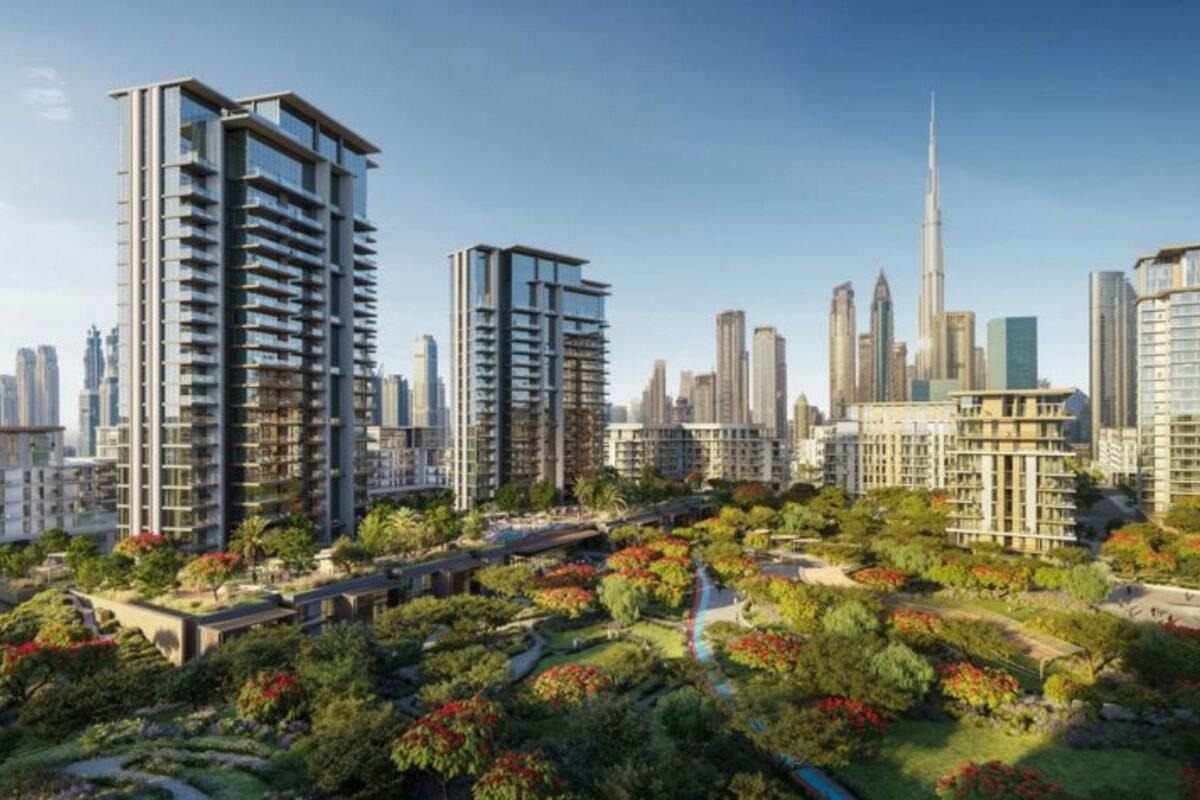
Dubai is the most mature short-term rental market in the UAE, regulated by the Department of Economy and Tourism (DET). With 22,719 active Airbnb listings and a median annual revenue of AED 172,000 per listing, Dubai represents the largest and most data-rich segment of the UAE’s airbnb management landscape. Top-performing properties in prime areas achieve average daily rates of AED 867+ (Dubai Marina) with occupancy averaging 70–80% for well-managed listings.
→ Full guide: Airbnb Management Dubai · Fees, DTCM licensing, company comparisons, income by neighbourhood
2. Abu Dhabi: The Institutional, Undersaturated Opportunity
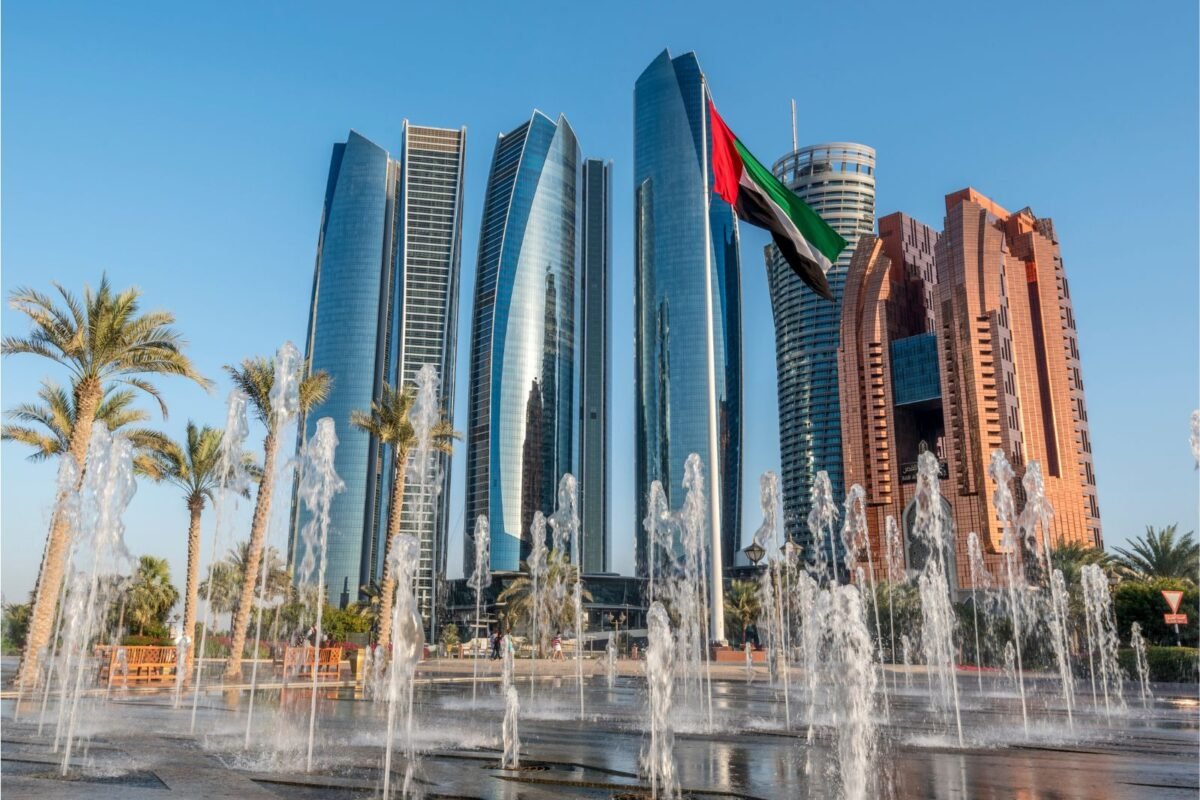
Abu Dhabi’s short-term rental market operates under DCT Abu Dhabi. Following DCT Circular No. 8/2025, all holiday homes require a valid DCT licence before listing on any platform — enforced from 1 January 2026. The market is less saturated than Dubai, with strong event-driven demand (Formula 1, ADIPEC, government summits) and consistent corporate bookings from government-linked entities and the oil sector.
Abu Dhabi imposes a 6% tourism fee on all short-term rental revenue, distinct from Dubai’s per-room, per-night Tourism Dirham structure. Any airbnb property management company operating in Abu Dhabi must be set up to collect and remit this fee on your behalf.
→ Full guide: Airbnb Management Abu Dhabi · DCT licensing, Abu Dhabi STR rules, Yas Island vs Corniche ROI
3. Sharjah: The Emerging, Price-Sensitive Third Market
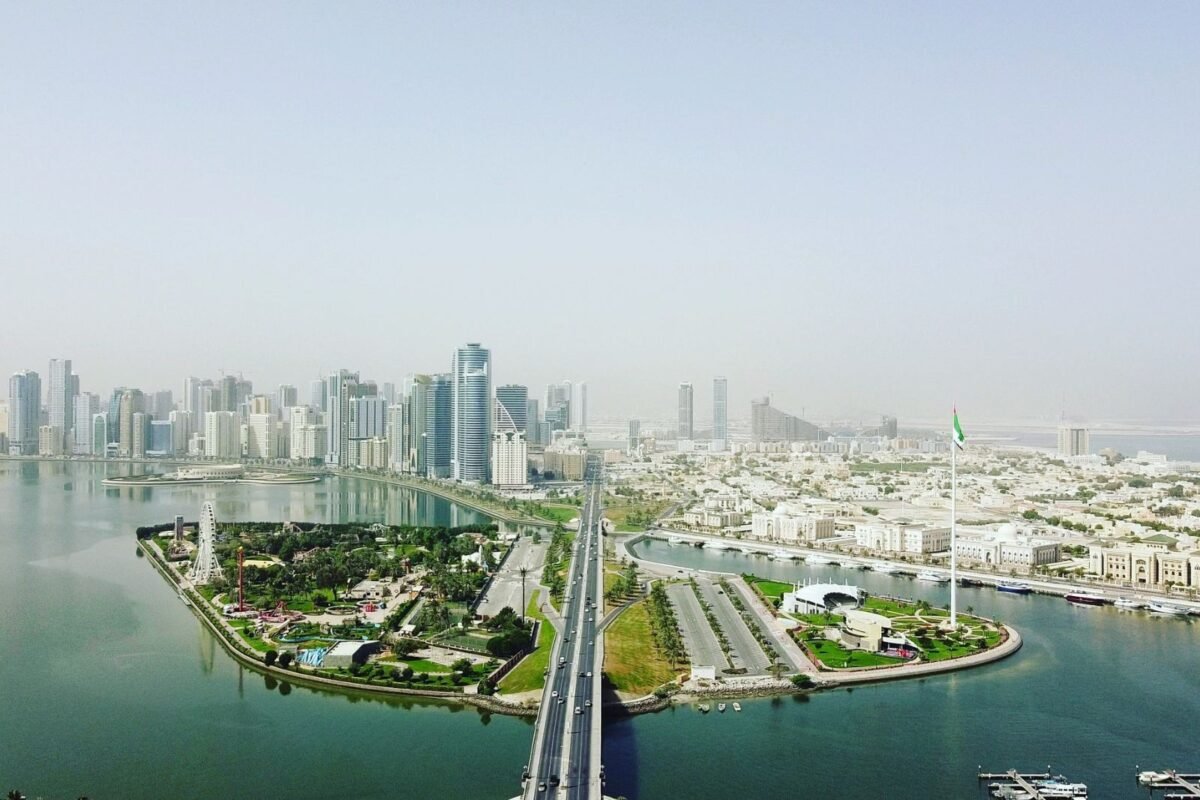
Sharjah’s short-term rental market operates under the Sharjah Commerce and Tourism Development Authority (SCTDA), which launched its Holiday Homes Project in 2022. The Sharjah market has one critical structural difference from Dubai and Abu Dhabi: individual property owners cannot list directly as short-term rentals. All properties must be registered through a licensed company or operator.
Sharjah attracts families and longer-stay guests seeking more space per dirham than Dubai offers. Nightly rates are lower, but entry prices for properties are significantly below Dubai levels, and competition among STR operators is thin. The Tourism Dirham in Sharjah is AED 15 per room per night, collected from guests and remitted to SCTDA monthly.
→ Airbnb in Sharjah: Regulations, Opportunities & Management · SCTDA licensing, Sharjah STR market analysis, management options
UAE Airbnb Regulations: How Each Emirate's Rules Differ
The most important thing to understand about airbnb management UAE is that each emirate has its own independent licensing framework. A permit issued in Dubai is not valid in Abu Dhabi, and vice versa. Any airbnb management service operating across multiple emirates must hold the correct licence in each one separately.
|
Factor
|
Dubai
|
Abu Dhabi
|
Sharjah
|
|---|---|---|---|
A professional airbnb management company operating across the UAE will handle licensing in each emirate entirely on your behalf. If you are comparing airbnb management companies, always ask which emirate licences they currently hold — and ask to see documentation.
Airbnb Property Management Fees in the UAE: 2026 Benchmarks
Airbnb property management fees in the UAE range from 12% to 30% of gross rental revenue, depending on the service model, emirate, and property tier. Understanding what you are actually paying for — and what falls outside the commission — is the single most important financial analysis you will do before selecting an airbnb management company.
|
Fee Model
|
Dubai Range
|
Abu Dhabi Range
|
Sharjah Range
|
Typically Included
|
|---|---|---|---|---|
The headline commission percentage is never the full picture. Before signing with any airbnb management service, request a net income projection that accounts for all deductions — setup fees, cleaning, OTA fees, maintenance markups, and Tourism Dirham passthrough — on a property comparable to yours in your target neighbourhood. The best airbnb management companies provide this without being asked.
→ Airbnb Management Fees Dubai — Full Breakdown · Commission models, hidden costs, setup fees and OTA fee treatment
→ Airbnb Management Fees Abu Dhabi — Full Breakdown · Abu Dhabi commission structures and what’s included per tier
Airbnb Rental Property Income in the UAE: Verified 2026 Benchmarks
The income potential of an airbnb rental property in the UAE depends heavily on emirate, neighbourhood, property type, and — most critically — the quality of airbnb management. The figures below are drawn from third-party STR analytics platforms covering April 2025 to March 2026.
|
Emirate / Area
|
Avg Daily Rate
|
Avg Occupancy
|
Median Annual Rev
|
Peak Season
|
Source
|
|---|---|---|---|---|---|
Peak season runs October through April across all three emirates. Summer rates (May–September) are typically 30–45% lower. December is consistently the highest-revenue month across the UAE STR market — Dubai set a record 2.04 million international visitors in December 2025 alone, its first-ever month crossing the 2 million threshold.
As of H1 2026, realistic monthly net profit for a typical Dubai airbnb rental property ranges from AED 15,750 to AED 22,750, based on median revenue with 35–55% total expenses.
How to Choose an Airbnb Management Company in the UAE

Choosing the right airbnb property management company in the UAE is the single most consequential decision in this process. A 5% difference in occupancy performance is worth far more than a 5% difference in commission rate. Here is what separates serious airbnb management companies from the rest.
1. Cross-Emirate Coverage and Licences
A credible airbnb management company operating across the UAE must hold the correct permit in each emirate where they manage properties. Ask directly: which DET, DCT, and SCTDA licences do you currently hold? Can you show me documentation? Cross-emirate licences do not transfer — a Dubai DET permit does not authorise operation in Abu Dhabi or Sharjah.
2. Verified Revenue Performance Data
Any airbnb property management company worth hiring should show you actual trailing 12-month occupancy rates and average daily rates for properties comparable to yours in your specific neighbourhood. Not projections — verified actuals. Companies that deflect this request are telling you something important.
3. Airbnb Listing Management Technology
The quality of airbnb listing management — dynamic pricing, multi-channel distribution, and listing optimisation — is the primary driver of the occupancy gap between managed and self-managed properties. Ask which dynamic pricing tool they use (PriceLabs, Beyond, Wheelhouse or proprietary), and how many channels your property is simultaneously listed on. Top airbnb management services distribute across 20–50+ channels.
4. Full-Service Scope vs Listing-Only
Not every airbnb management service is full-stack. Some are listing-and-pricing specialists only — maintenance, guest issues, and compliance remain the owner’s responsibility. Confirm in writing that the company handles 24/7 guest support, cleaning coordination, maintenance escalation, and regulatory renewals, or understand precisely what you are giving up.
5. Transparent Reporting and Contract Terms
Request a sample monthly owner statement before signing. Understand exactly how gross revenue converts to net payout after every fee category. Check the termination clause — notice periods across UAE airbnb management companies range from 30 to 90 days, and exit fees range from AED 750 to AED 15,000. A company that obscures either will obscure other things too.
→ Best Airbnb Management Companies Dubai — 2026 Comparison · Frank Porter, GuestReady, Holiday Homes in Dubai — fees, scope and occupancy data
→ Best Airbnb Management Companies Abu Dhabi — 2026 · Abu Dhabi operator guide with fee and service scope comparison
Self-Management vs Professional Management in the UAE
|
Factor
|
Self-Management
|
Professional Airbnb Management Service
|
|---|---|---|
|
Time commitment
|
15–30 hrs/week for 1 property
|
Near zero — check monthly reports
|
|
Gross revenue
|
Potentially 10–15% higher (no fee)
|
Net often higher due to occupancy uplift
|
|
Occupancy rate
|
Typically 44–58% without pricing tools
|
Typically 65–82% with established operators
|
|
Airbnb listing management
|
Manual — usually underprices peak nights
|
Algorithmic — captures demand spikes automatically
|
|
Regulatory compliance
|
Owner's full legal responsibility
|
Fully managed — permits, renewals, guest registration
|
|
Distribution channels
|
Typically Airbnb only
|
20–50+ channels simultaneously
|
|
Scalability
|
Impractical beyond 1–2 properties
|
Scales to 10+ with no extra owner effort
|
|
Best for
|
Owner-occupiers, hands-on, single-property local owners
|
Investors, overseas owners, multi-property portfolios
|
FAQ's
Airbnb management UAE is the professional outsourcing of your short-term rental — an Airbnb management company handles listing creation, dynamic pricing, guest communication, cleaning, maintenance, and regulatory compliance across Dubai, Abu Dhabi, and Sharjah, in exchange for 15%–25% of gross revenue.
Airbnb property management fees range from 12%–30% of gross revenue. Full-service Airbnb property management runs 15%–20% in Dubai and 15%–22% in Abu Dhabi. Beyond the commission, budget for onboarding (AED 2,000–8,000), cleaning per turnover (AED 150–400), and OTA platform fees (Airbnb ~3%, Booking.com 15%–18%).
Yes — but only if the Airbnb property management company holds the correct licence in each emirate separately. Dubai's DET permit, Abu Dhabi's DCT licence, and Sharjah's SCTDA registration are independent and do not transfer. Always confirm in writing before signing.
Dubai has the largest market and highest verified revenue (AED 172K median annual). Abu Dhabi is less saturated with strong corporate and event demand. Sharjah offers the lowest entry price but requires a licensed operator. The right Airbnb rental property choice depends on your budget, property type, and investment horizon.
Typically yes. Professional Airbnb management service costs 15%–25% of gross revenue but delivers 15%–20% higher occupancy rates, making the fee worthwhile in most cases. It only erodes value if the Airbnb management company fails to improve occupancy — always verify actual performance data before committing.
Dubai charges AED 10–15 per room per night (Tourism Dirham). Abu Dhabi charges 6% of rental revenue. Sharjah charges AED 15 per room per night. All fees are collected from guests and remitted monthly — a professional Airbnb management service handles this entirely on your behalf.
Three steps: first, verify your building permits short-term rentals. Second, engage a licensed Airbnb management company with verified performance data in your target emirate. Third, complete the permit — DET for Dubai, DCT for Abu Dhabi, or via a licensed operator in Sharjah. Most Airbnb property management companies handle steps two and three entirely on your behalf.